- Lightweight
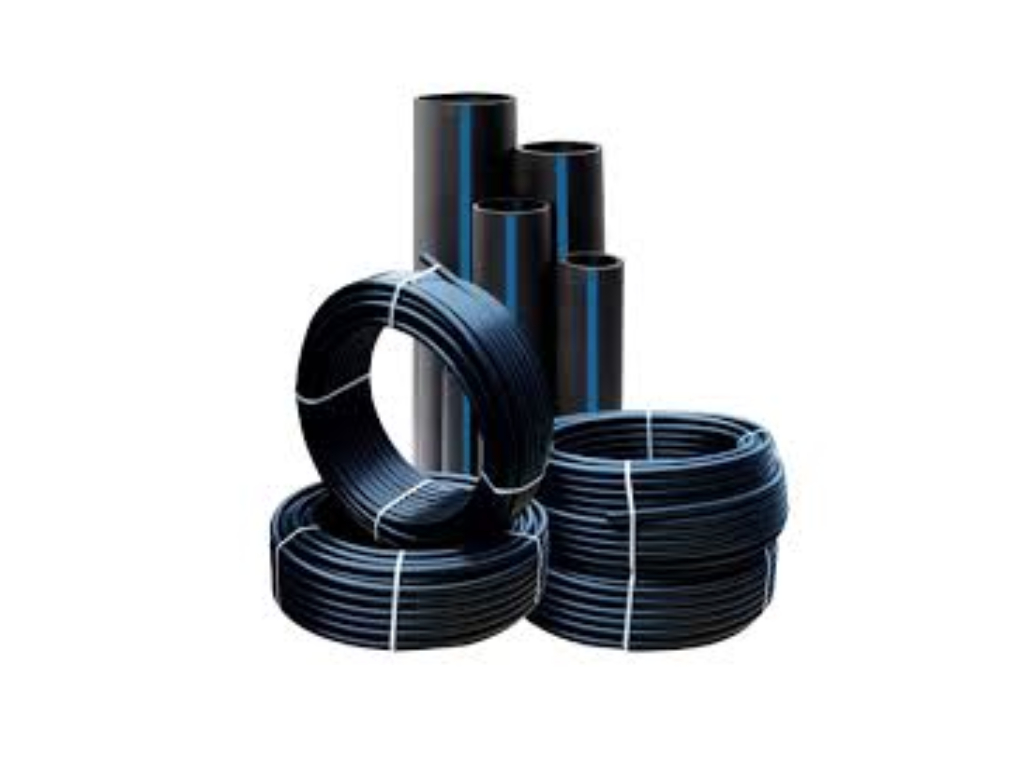
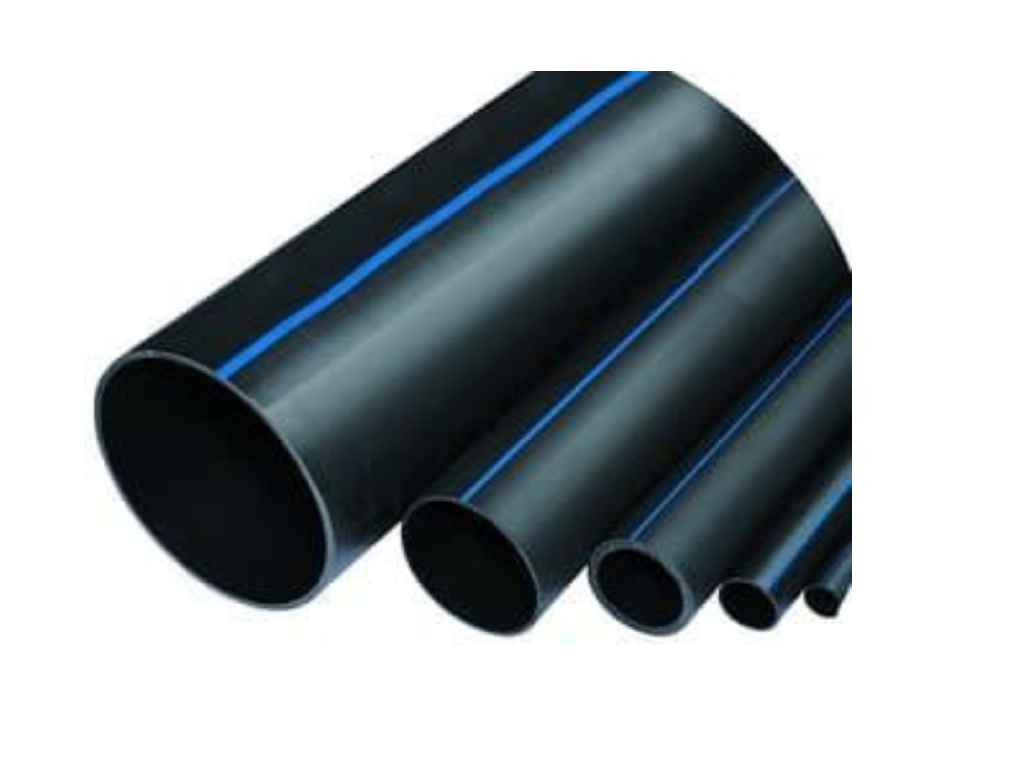
- Flexible – pipes up to 110 mm diameter available in coil form
- Excellent resistance to stress cracking and long term stress crack propagation
- Can be safely used down to -40°C
- Chemically resistant to most corrosive chemicals, acids and alkalies
- Abrasion resistant
- All types of fabricate fittings for butt welding available
-
info@divyajyotpipes.com
+91- 93247 60560 - Nagdevi, Mumbai
Maharashtra, India
Welcome To Divyajyot Pipe Stores
Nagdevi, Mumbai
Maharashtra, India
: 91- 93247 60560
(Monday - Friday)
(9 To 5 Working Hours)